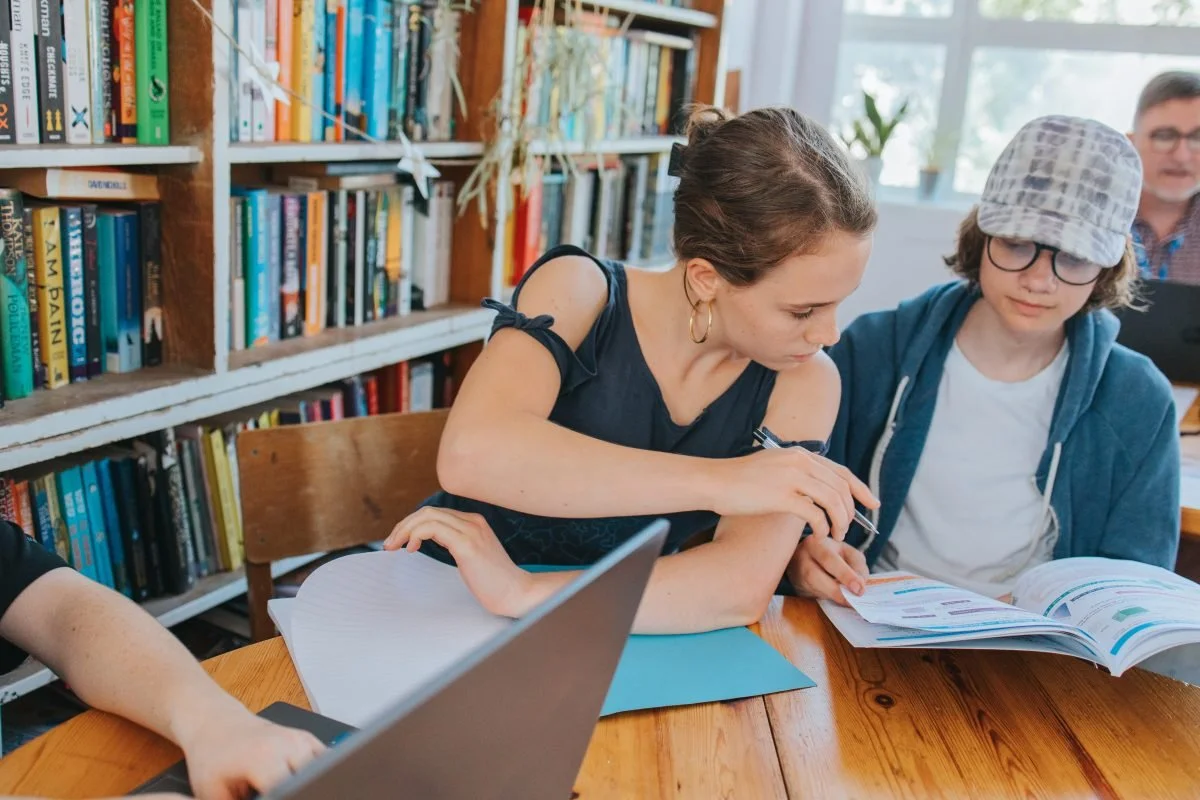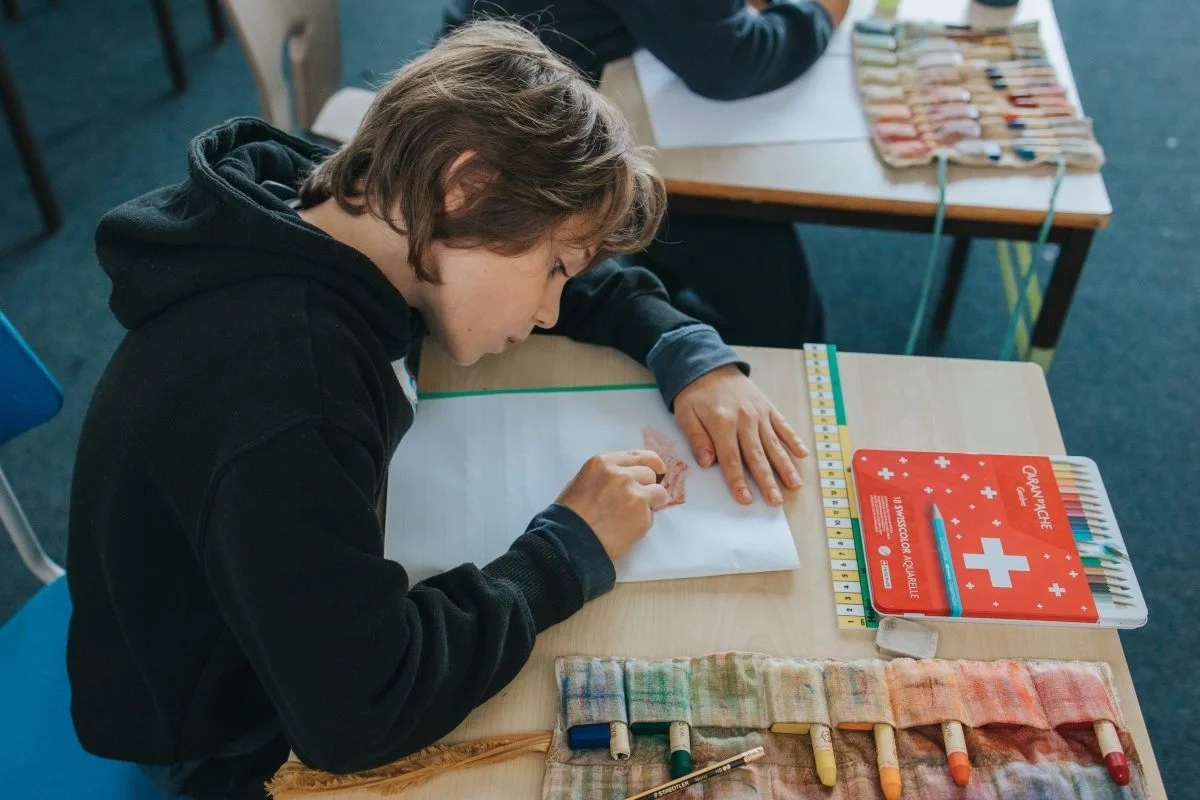
There is a lot in the news currently, about educational establishments awakening to the harms of the overuse of IT in schools. You may have read recently about the decision of Winchester College (one of the most prestigious academic settings in the country) to put aside the use of laptops in the classroom, and re-embrace good old pen and paper. Our Headteacher, Tracey Lucas, shares her views on why screen free education has always been so fundamental to Steiner Waldorf teaching.
Why removing screens from early education isn’t anti-tech, it’s pro human.
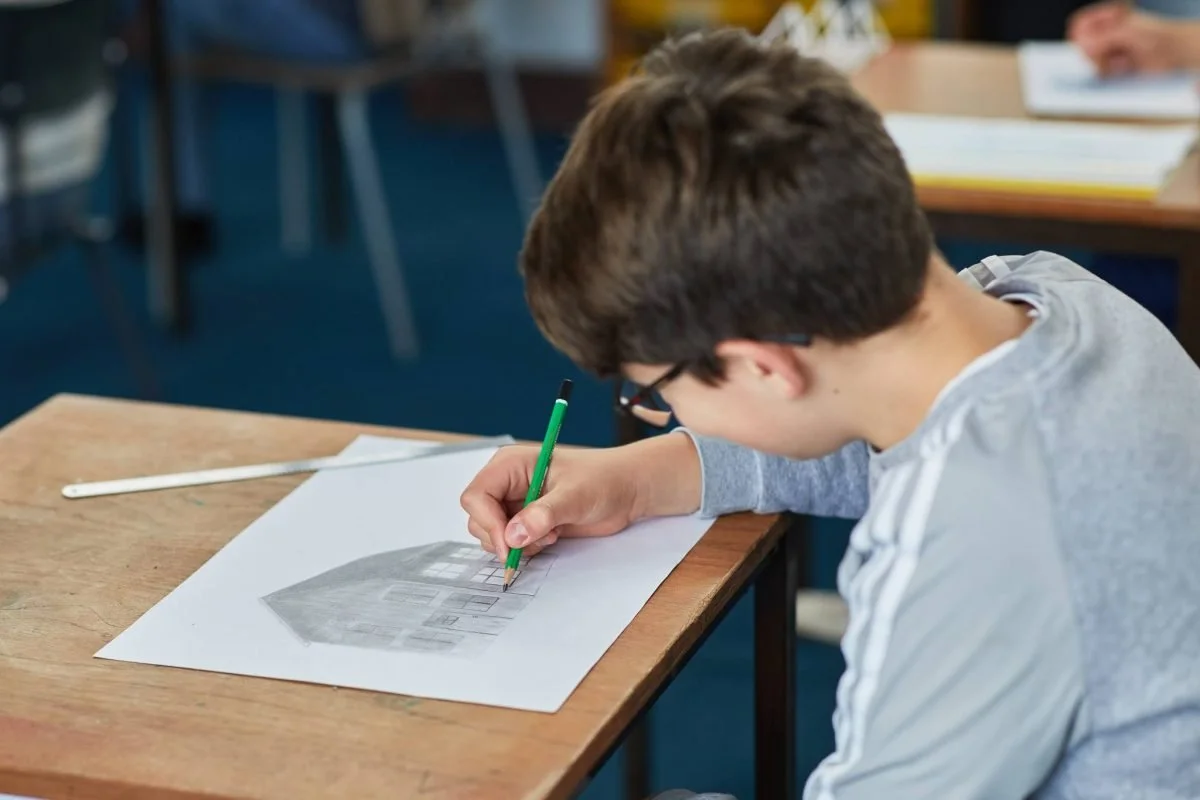
There is a growing national reckoning over the overuse of screens in our classrooms. You may have read recently about the decision of one of the most prestigious academic settings in the country to put aside the use of laptops in the classroom, and re-embrace good old pen and paper.Across the country, both parents and educators are waking up to the impact of digital technologies on our children. As a Steiner Waldorf school, the practice of delaying the introduction of screen based technology has been a core tenet of our educational philosophy for over 40 years. As schools nationwide introduce smart phone bans and grapple with the impact of screen addiction, it seems that the mainstream conversation is finally catching up.As adults, having experienced the lure of screens and smart devices ourselves, we may instinctually understand why limiting screen use in schools is important. And, with the advent of AI, we can all agree that now more than ever, we must protect, nurture and celebrate our children’s capacity for independent thought.Yet for our school, delaying the use of screen technologies is not a defensive retreat from the modern world. For us, it is part of a step by step introduction to humanity's capacity to innovate and invent. We teach children how throughout history, natural materials have been resourced and transformed into tools by humans, to meet human needs.
Building with tools before using screens
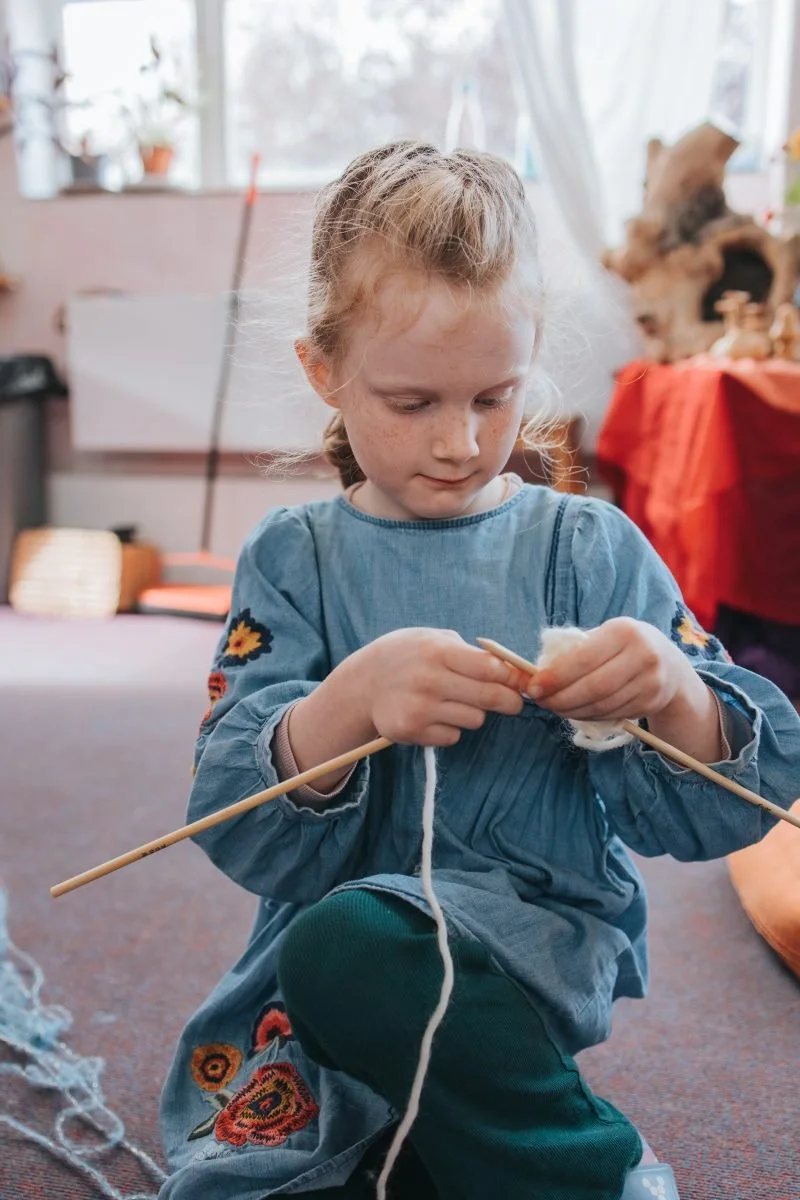
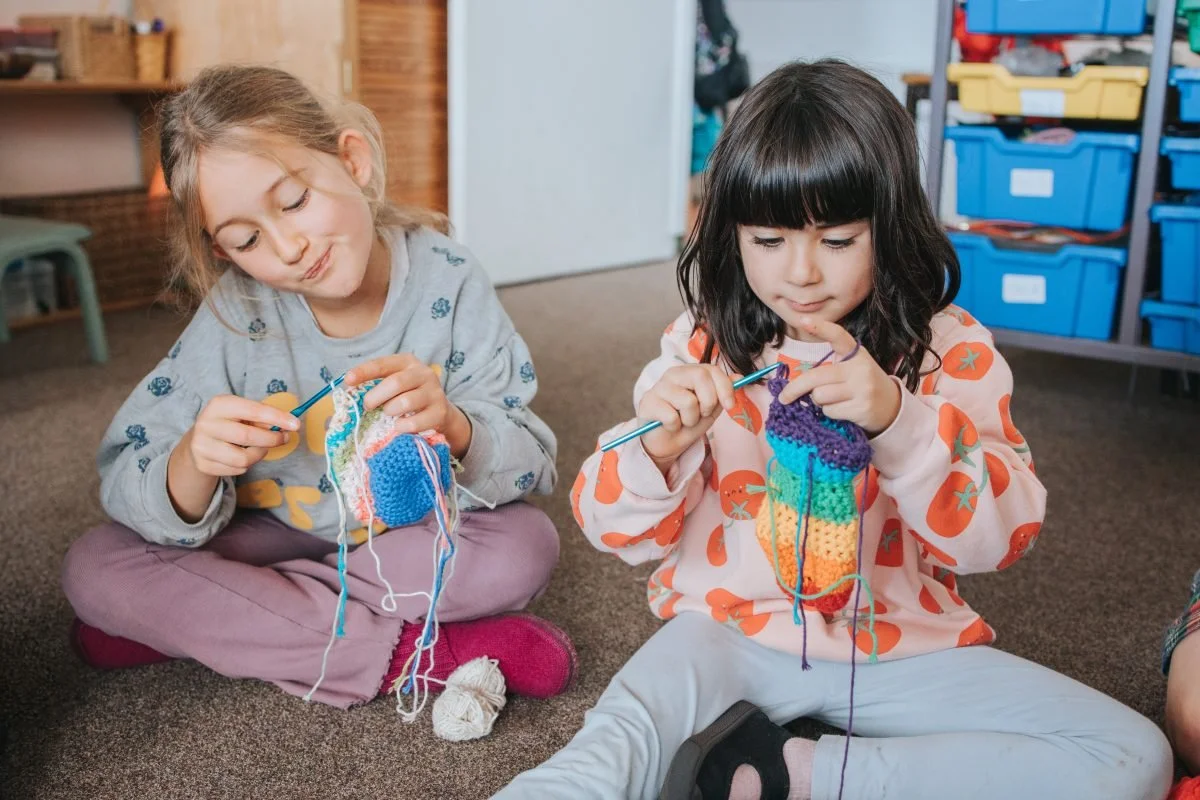
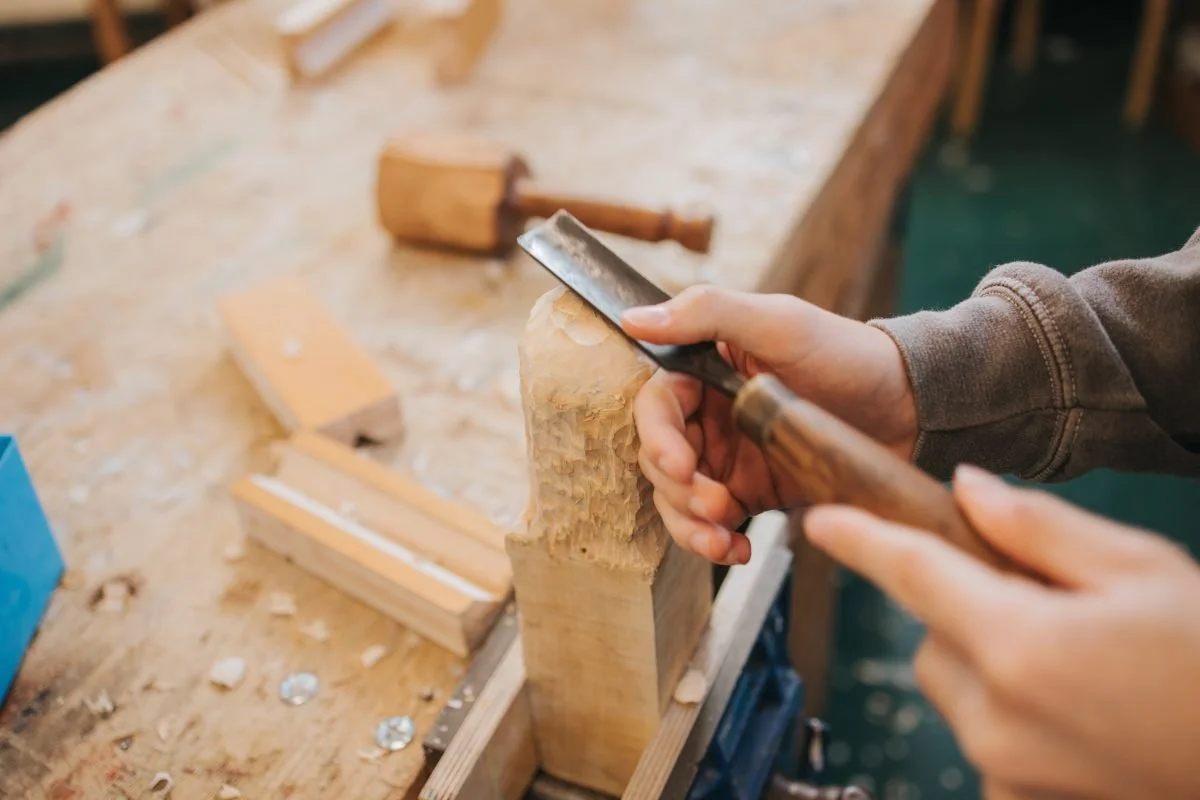
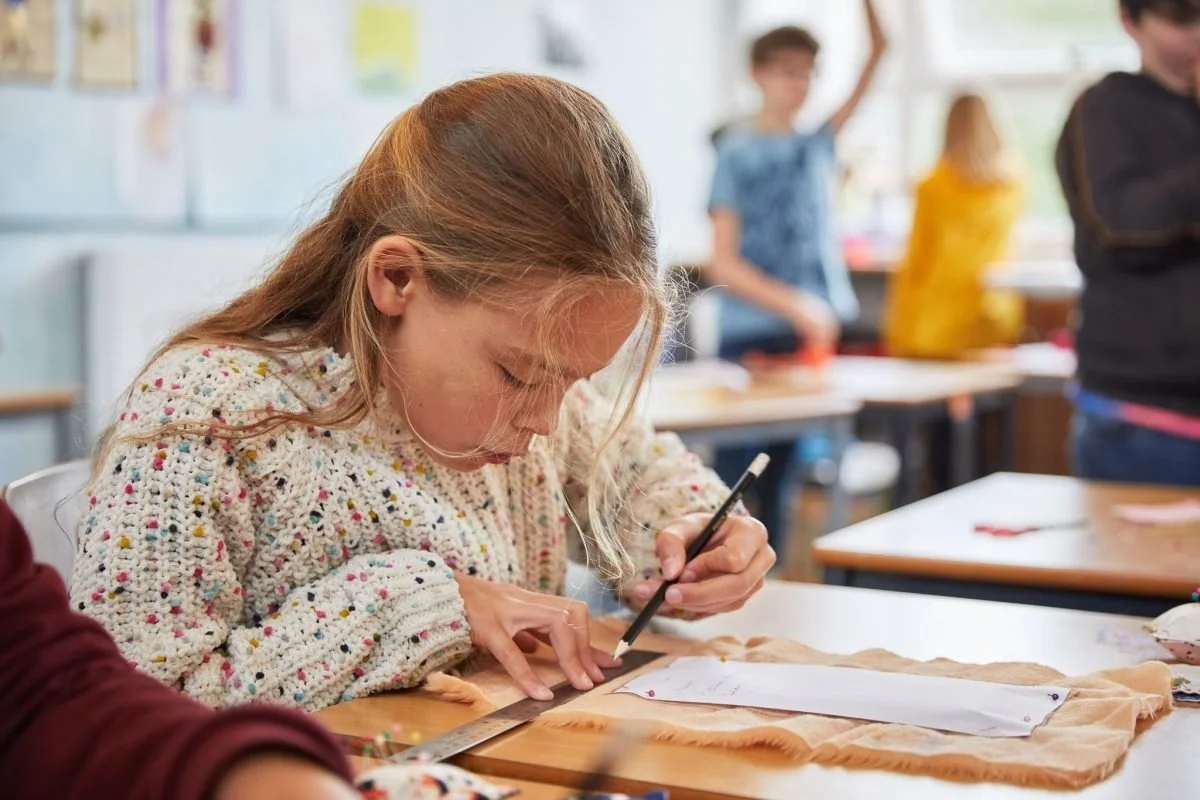
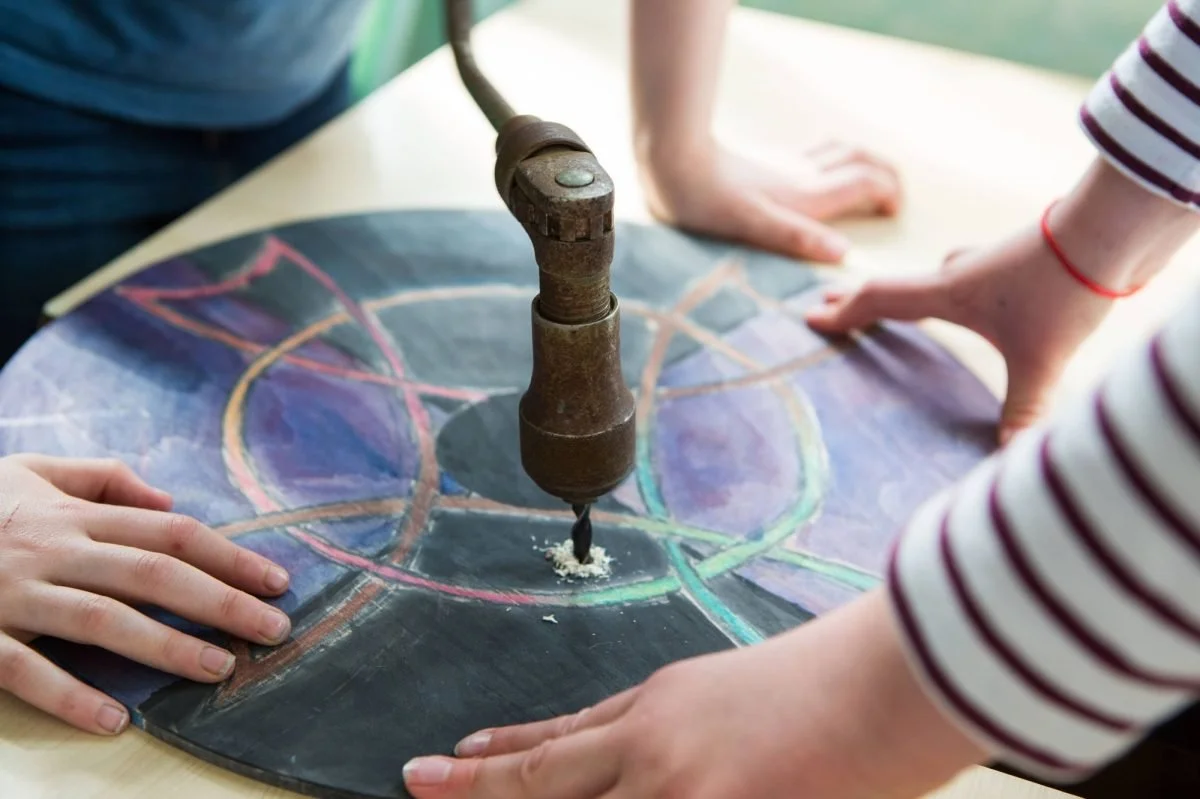
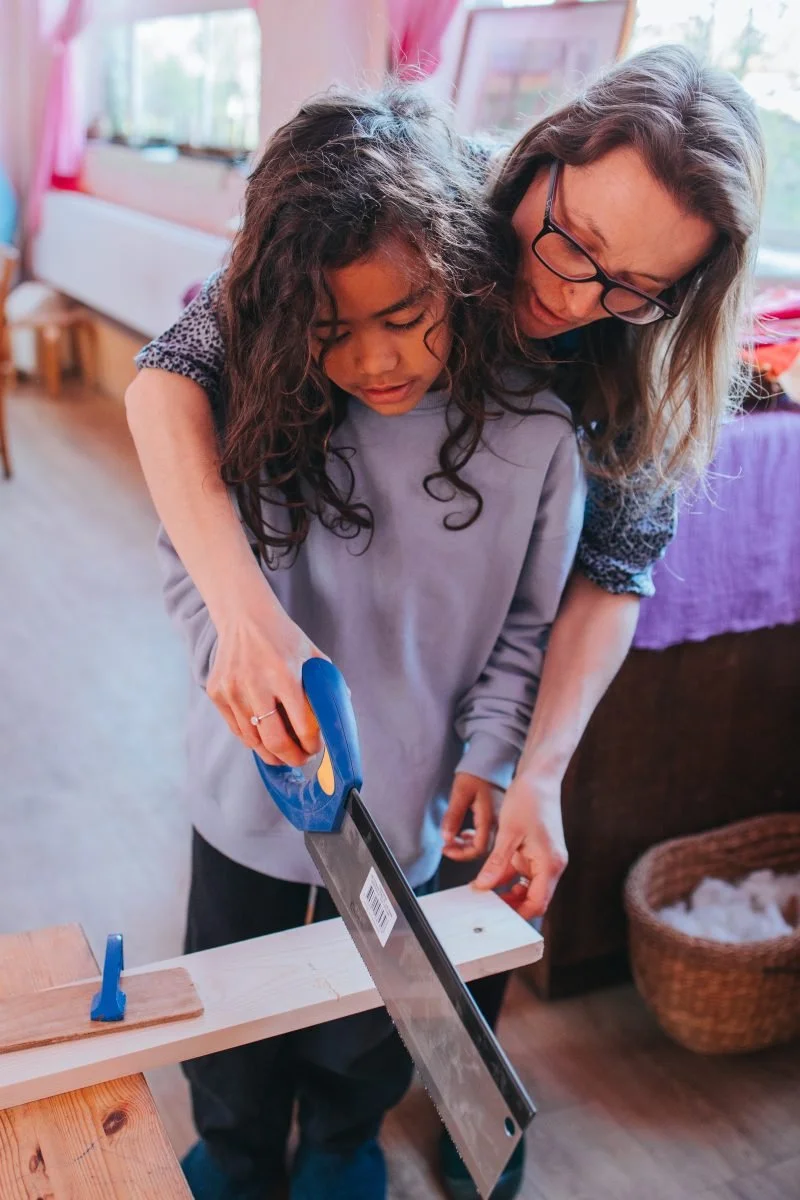
Technological education at our school begins with the children learning about the origin of materials and tools, and how we can use tools to achieve more than we could with our bare hands. For example, we teach traditional handcraft techniques (sewing, knitting, whittling) using natural, locally sourced materials, such as sheared wool from a local farmer. Working alongside their teacher and using techniques such as carding and spinning, children transform the wool from its natural state into material for felting and weaving. From a young age we teach children how to safely use kitchen utensils and simple woodworking tools, such as hammers and saws. Aged six, our kindergarten pupils make a sailboat from wood, and chop fruit to make jam.As pupils progress through the school they use more complex tools in a workshop environment, embodying the values of being a crafts-person. Through the history curriculum, pupils learn about the societal significance and impact of technology from early cultures to contemporary digital society.
Real world experience
Media education begins with analysing the printed word and learning how to scrutinise information sources. We encourage our pupils to carry out ‘real world’, empirical research, by supporting them in active investigation. For example, when studying agriculture, we speak directly to farmers, and take part in farming activities. This experiential learning provides a foundational understanding that makes engaging with more theoretical, academic, written content so much more meaningful.We don’t introduce any IT into the classroom until children are above the age of 12, and students reach Upper School (age 14) before it’s a daily fixture, with the exception of pupils with SEND needs who may require earlier access to digital technologies to support their learning. For our Upper School students, we introduce IT as a tool, with the same conscious focus on safe and appropriate use as we have for all other tools. We use IT as a tool enabling deeper research, or for a specific purpose such as using design software, video editing or computer programming. This teaches students to implement IT purposefully, rather than use it as a default. We nurture our students' ability to question the ethical application of technology, including AI, and its benefits and risks.
Does a delay in engaging with tech leave pupils behind?
We have been asked if our approach has disadvantaged students for tech based careers? Our Alumni stories speak for themselves. From successful tech start ups and leading in software data and cyber security companies, many of our alumni have gone on to successful careers in tech. Within our pioneering cohort of Upper School students, students have gone on to study game design and cyber security as well. A delayed introduction has not borne out any disadvantage. In fact, employers across industries report that our alumni are rounded individuals, strong leaders and creative, out of the box thinkers.As a Steiner Waldorf school, we are not in any way, anti technology. What we are is pro human endeavour. We believe that learning is present in striving to problem solve, as much as in the solution we reach. We applaud the move by more educational establishments to take a human endeavour approach to general learning, whilst also embracing the benefits that technology, IT and AI can bring to the human capacity to progress.If you’re interested in learning more about Steiner Waldorf education, or would like a visit to our school, please don’t hesitate to get in touch as we would love to welcome you.
If you enjoyed this article, you may also be interested to read about why we use blackboards instead of whiteboards in our school.